- Academic News
- Master Admin
- Mar 28, 2026
lab medicine- Radiology
 Introduction to Radiology in Lab Medicine: A Complete Guide for Students
Introduction
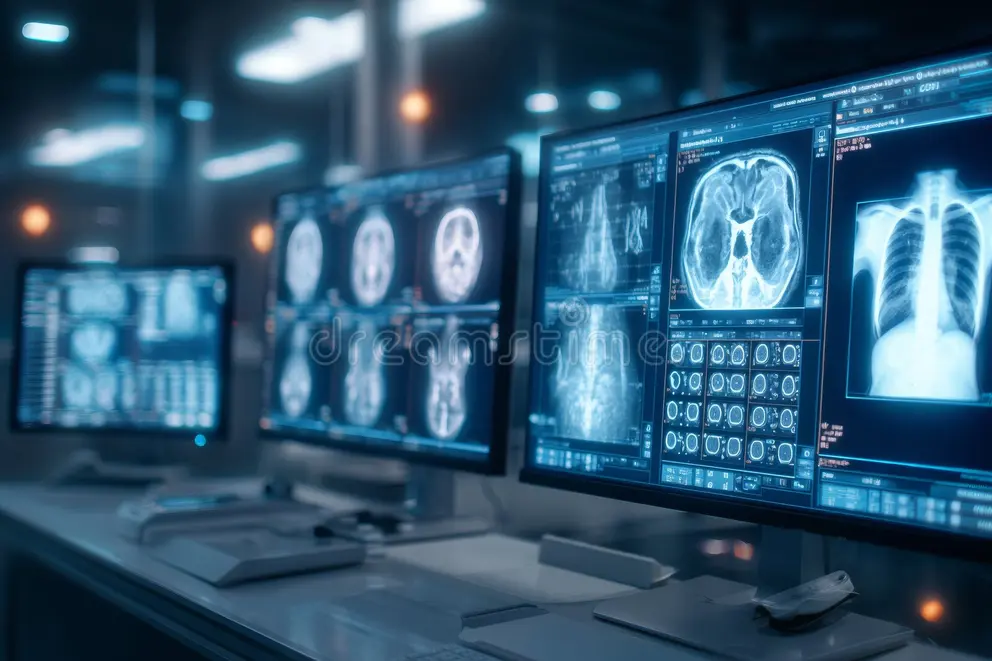
Radiology is a vital part of modern healthcare that uses imaging techniques to diagnose and sometimes treat diseases. It allows healthcare professionals to see inside the human body without surgery.
For medical and nursing students, understanding radiology is essential for accurate diagnosis and clinical decision-making.
What is Radiology?
Radiology is the branch of medicine that uses imaging technologies to diagnose and monitor diseases. These images help doctors identify abnormalities in organs, bones, and tissues.
Types of Radiology Imaging
1. X-Ray
X-rays are the most common imaging technique. They are mainly used to detect:
- Bone fractures
- Chest infections
- Lung diseases
2. Ultrasound (Sonography)
Ultrasound uses sound waves to create images of internal organs. It is commonly used for:
- Pregnancy scans
- Abdominal organs
- Heart (Echocardiography)
3. CT Scan (Computed Tomography)
A CT scan provides detailed cross-sectional images of the body. It is used for:
- Detecting tumors
- Internal bleeding
- Brain injuries
4. MRI (Magnetic Resonance Imaging)
MRI uses magnetic fields and radio waves to produce detailed images. It is ideal for:
- Brain and spinal cord
- Soft tissues
- Ligaments and joints
5. Fluoroscopy
This imaging technique provides real-time moving images, often used during procedures like surgeries or catheter insertions.
Importance of Radiology in Healthcare
- Helps in early detection of diseases
- Guides treatment plans
- Monitors patient progress
- Assists in surgical procedures
Radiology is often the key to confirming a diagnosis.
Common Radiology Terms Students Should Know
- Contrast Media – Substance used to improve image clarity
- Radiation Dose – Amount of radiation used in imaging
- Image Interpretation – Analyzing scans to identify problems
- Lesion – Abnormal tissue found in imaging
Safety in Radiology
- Minimize exposure to radiation
- Use protective equipment (lead apron)
- Avoid unnecessary scans
- Special care for pregnant patients
Common Mistakes Students Make
- Misinterpreting images
- Ignoring patient history
- Not understanding when to request imaging
- Poor knowledge of safety precautions
Tips to Excel in Radiology
- Study images regularly
- Compare normal vs abnormal scans
- Practice interpretation with case studies
- Use visual aids and videos
Conclusion
Radiology is a powerful tool in modern medicine that enhances diagnosis and treatment. As a student, mastering radiology basics will give you a strong edge in your medical career.
Call to Action
👉 Share this post with your colleagues
👉 Bookmark for exam revision
👉 Follow our blog for more medical and clinical guides
Keywords: Radiology, medical imaging, X-ray, CT scan, MRI, ultrasound, radiology for students, diagnostic imaging
Share this post:

Comments (0)
Please log in to comment and like.