- Academic News
- Master Admin
- Mar 28, 2026
Lab Medicine- Pathology
Introduction to Lab Medicine and Pathology: A Complete Guide for Students
Introduction
Lab medicine and pathology play a critical role in modern healthcare. Nearly every diagnosis depends on laboratory tests to confirm diseases, monitor treatment, and guide clinical decisions.
If you are a medical or nursing student, understanding the basics of pathology and laboratory medicine will give you a strong advantage in both exams and real-life practice.
What is Pathology?
Pathology is the study of diseases. It helps us understand:
- The cause of diseases
- How diseases develop
- The effects of diseases on the body
Pathology connects laboratory science with patient care.
What is Laboratory Medicine?
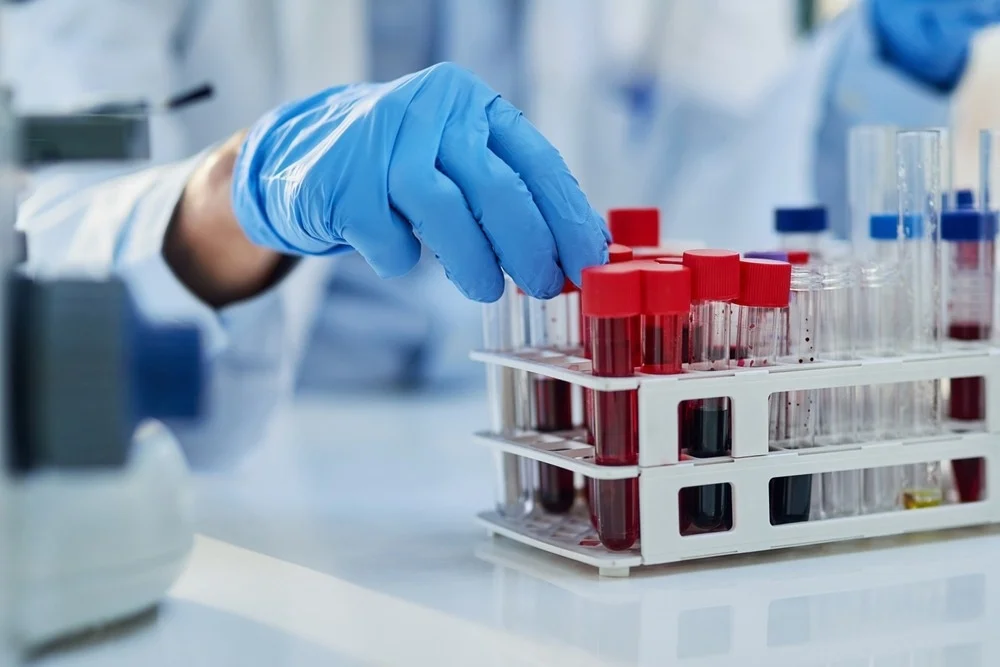
Laboratory medicine involves performing tests on patient samples such as:
- Blood
- Urine
- Tissue
- Body fluids
These tests help doctors diagnose and treat illnesses accurately.
Branches of Pathology
1. Hematology
Focuses on blood and blood-related disorders like anemia and leukemia.
2. Microbiology
Deals with microorganisms such as bacteria, viruses, fungi, and parasites.
3. Clinical Chemistry
Analyzes chemical components in the blood like glucose, cholesterol, and enzymes.
4. Histopathology
Examines tissues under a microscope to detect diseases like cancer.
5. Immunology
Studies the immune system and how the body fights infections.
Common Laboratory Tests You Should Know
- Full Blood Count (FBC) – Checks for infections and anemia
- Blood Glucose Test – Detects diabetes
- Urinalysis – Identifies kidney and urinary tract issues
- Liver Function Test (LFT) – Evaluates liver health
- Kidney Function Test (KFT) – Assesses kidney performance
Importance of Lab Medicine in Healthcare
- Helps in early diagnosis of diseases
- Monitors treatment progress
- Prevents complications
- Supports accurate clinical decisions
Without lab tests, many diseases would be difficult to diagnose.
Common Mistakes Students Make
- Not labeling samples correctly
- Poor understanding of test results
- Ignoring safety precautions
- Lack of proper documentation
Safety in the Laboratory
Always follow safety rules:
- Wear gloves and lab coat
- Handle samples carefully
- Dispose of waste properly
- Avoid contamination
Tips to Excel in Pathology
- Understand concepts, don’t cram
- Practice interpreting lab results
- Use diagrams and charts
- Watch practical demonstration videos
Conclusion
Lab medicine and pathology are the backbone of diagnosis in healthcare. Mastering these concepts will not only help you pass your exams but also make you a better healthcare professional.
Call to Action
👉 Share this post with your classmates
👉 Save it for exam revision
👉 Follow our blog for more medical guides
Keywords: Lab medicine, pathology, medical laboratory science, hematology, microbiology, clinical chemistry, histopathology, medical students
Share this post:


Comments (0)
Please log in to comment and like.