- Academic News
- Master Admin
- Mar 28, 2026
Clinical Skills
Top 10 Essential Clinical Skills Every Medical Student Must Master
Introduction
Clinical skills are the foundation of every healthcare professional’s career. Whether you are a medical student, nursing student, or healthcare trainee, mastering these skills is crucial for providing quality patient care and passing your clinical exams.
In this guide, we will walk you through the top 10 essential clinical skills every student must learn and how to improve them.
1. Patient History Taking
Taking a proper patient history is one of the most important clinical skills. It helps you understand the patient’s condition before any physical examination.
Tips:
- Ask clear and simple questions
- Listen carefully
- Take accurate notes
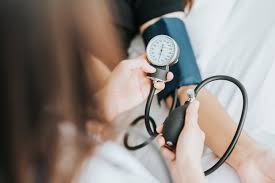
2. Measuring Vital Signs
Vital signs include:
- Temperature
- Pulse
- Respiratory rate
- Blood pressure
These are basic indicators of a patient’s health condition.
3. Physical Examination
A complete physical exam includes:
- Inspection
- Palpation
- Percussion
- Auscultation
Practice regularly to become confident and accurate.
4. Hand Hygiene and Infection Control
Proper hand hygiene prevents the spread of infections. Always:
- Wash your hands before and after patient contact
- Use gloves when necessary
5. Communication Skills
Good communication builds trust between you and your patient.
Best practices:
- Maintain eye contact
- Speak clearly
- Show empathy
6. Basic Life Support (BLS)
Every healthcare student should know how to perform CPR and respond to emergencies.
7. Administering Injections
Learn the different types of injections:
- Intramuscular (IM)
- Intravenous (IV)
- Subcutaneous
Always follow safety procedures.
8. Wound Care and Dressing
Proper wound care helps prevent infection and speeds up healing.
9. Documentation
Accurate documentation is essential in healthcare. Always record:
- Patient details
- Observations
- Treatments given
10. Clinical Reasoning
This involves thinking critically to make the right diagnosis and treatment decisions.
Conclusion
Mastering these clinical skills will not only help you succeed in exams but also make you a competent healthcare professional. Practice consistently, learn from mistakes, and always aim to improve.
Call to Action
Want to learn faster?
👉 Bookmark this page
👉 Share with your classmates
👉 Follow our blog for more clinical guides
Keywords: Clinical skills, medical students, nursing skills, OSCE preparation, healthcare training
Share this post:
Comments (0)
Please log in to comment and like.